
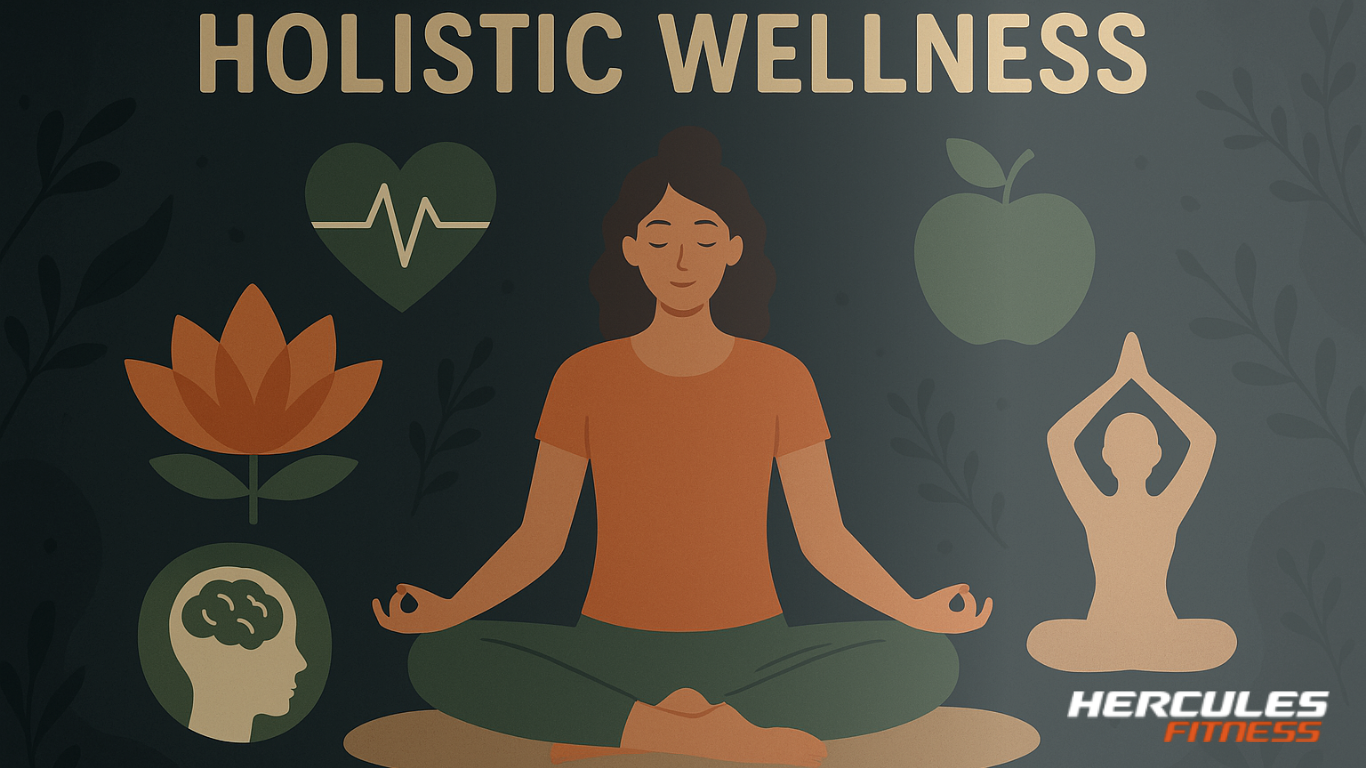
In today’s fast-paced world, many people want to feel healthier and happier, yet wellness is often viewed only through the lens of diet or exercise. While these are important, true health requires a deeper, whole-person approach. This is where holistic wellness comes in. It focuses on nurturing every part of your wellbeing—mind, body, emotions, relationships, and purpose—so you can live a more balanced and meaningful life.
What Is Holistic Wellness?
Holistic wellness is an approach to health that recognizes the connection between different parts of your life. Instead of treating physical, mental, emotional, and spiritual wellbeing separately, it sees them as interconnected.
The core pillars of holistic wellness include:
- Physical health – movement, nutrition, sleep
- Mental health – clarity, focus, positive thinking
- Emotional health – resilience, self-awareness, stress management
- Social health – meaningful relationships, communication
- Spiritual health – purpose, values, inner peace
- Environmental health – clean, supportive surroundings
When these areas are aligned, you experience greater balance, energy, and overall happiness.
Why Holistic Wellness Is So Important Today
1. Stress Levels Are Higher Than Ever
From deadlines to financial pressure, stress has become a constant part of daily life. Long-term stress affects both mental and physical health, leading to headaches, anxiety, insomnia, and burnout. Holistic wellness provides tools like meditation, breathwork, stretching, and mindful breaks that help calm the body and mind.
2. Mental Health Needs More Attention
Mental wellbeing is essential, yet often overlooked. Issues like anxiety and depression affect millions of people, sometimes silently. Holistic wellness encourages emotional expression, self-awareness, healthy routines, and support systems that promote mental balance and stability.
3. Lifestyle Diseases Continue to Rise
Conditions like diabetes, hypertension, and obesity are becoming common due to unhealthy habits. Holistic wellness focuses on long-term prevention by promoting nutritious eating, regular movement, good sleep, and emotional balance instead of relying on short-term fixes.
4. Balance Improves Productivity
Pushing yourself without rest doesn’t make you more productive. Exhaustion reduces creativity and focus. A holistic approach promotes boundaries, proper rest, and routines that support both physical and emotional health. As a result, productivity increases naturally.
5. Stronger Connections Improve Wellbeing
Healthy relationships are vital for emotional stability. Holistic wellness emphasizes empathy, communication, and meaningful interactions. Being around supportive people reduces stress, boosts happiness, and nurtures a sense of belonging.
6. Purpose Brings Meaning to Life
Living without purpose can make life feel empty even if everything seems fine on the surface. Holistic wellness encourages exploring your values, passions, and long-term goals. A strong sense of purpose guides your decisions, boosts motivation, and builds resilience during difficult times.
How to Begin Your Holistic Wellness Journey
You don’t need expensive tools or complicated routines. Small, consistent steps can create powerful results.
1. Move Your Body Daily
Choose physical activities you enjoy—walking, yoga, stretching, or simple home workouts. Daily movement improves mood, energy, and physical health.
2. Nourish Your Body with Real Foods
Focus on whole foods such as fruits, vegetables, grains, and affordable sources of protein. Eat mindfully, stay hydrated, and avoid emotional eating.
3. Prioritize Restful Sleep
Quality sleep is essential for healing and mental clarity. Aim for 7–8 hours and create a calming bedtime routine to improve sleep quality.
4. Practice Mindfulness
Spend a few minutes each day meditating, breathing deeply, or observing your thoughts. Mindfulness reduces stress and enhances emotional balance.
5. Build Strong Social Connections
Talk to loved ones, spend time with supportive people, and avoid negative environments. Healthy relationships are a key pillar of wellbeing.
6. Improve Your Environment
A clean and organized space reduces stress and promotes mental clarity. Your surroundings influence your mood more than you realize.
7. Reflect on Your Purpose
Take time to write down your goals, values, and passions. Understanding your purpose helps you stay focused and make better life choices.
Final Thoughts
Holistic wellness is not just a trend—it’s a meaningful approach to living a healthier, happier life. By taking care of your mind, body, and spirit together, you create a strong foundation for long-term wellbeing. Anyone can begin this journey, no matter their background or current situation. Starting with small actions today can lead to a more balanced, fulfilling future.
Embrace holistic wellness, and watch your life transform from the inside out.
Frequently Asked Questions (FAQs)
1. What is holistic wellness?
Holistic wellness is a whole-person approach to health that focuses on balancing the mind, body, spirit, emotions, relationships, and environment. It recognizes that all these areas are interconnected and impact overall wellbeing.
2. Why is holistic wellness important?
Holistic wellness helps reduce stress, improve mental health, prevent lifestyle diseases, and create a balanced, meaningful life. By caring for all aspects of yourself, you experience better health and long-term happiness.
3. How is holistic wellness different from traditional wellness?
Traditional wellness often focuses mainly on physical health, such as diet and exercise. Holistic wellness goes deeper by including emotional, mental, spiritual, and social health, ensuring every part of your life is aligned.
4. How can I start practicing holistic wellness?
You can begin by making small changes like daily movement, mindful eating, practicing meditation, improving sleep habits, and strengthening your relationships. Even simple steps can create powerful results over time.
5. Do I need expensive tools or programs to follow holistic wellness?
No, holistic wellness is accessible to everyone. You don’t need costly supplements, equipment, or classes. Most practices—like walking, deep breathing, journaling, and organizing your space—are completely free.
6. Can holistic wellness help with stress and anxiety?
Yes. Practices like mindfulness, meditation, breathing exercises, and connecting with supportive people are proven to reduce stress and help manage anxiety naturally.
7. How does holistic wellness improve productivity?
When your mind and body are well-rested, nourished, and emotionally balanced, you can think more clearly, focus better, and work more efficiently. Holistic wellness helps you perform at your best without burnout.
8. Is holistic wellness suitable for all age groups?
Absolutely. Holistic wellness can be practiced by anyone—children, adults, and seniors. The principles of balance, mindfulness, healthy habits, and emotional wellbeing are beneficial at every stage of life.

