
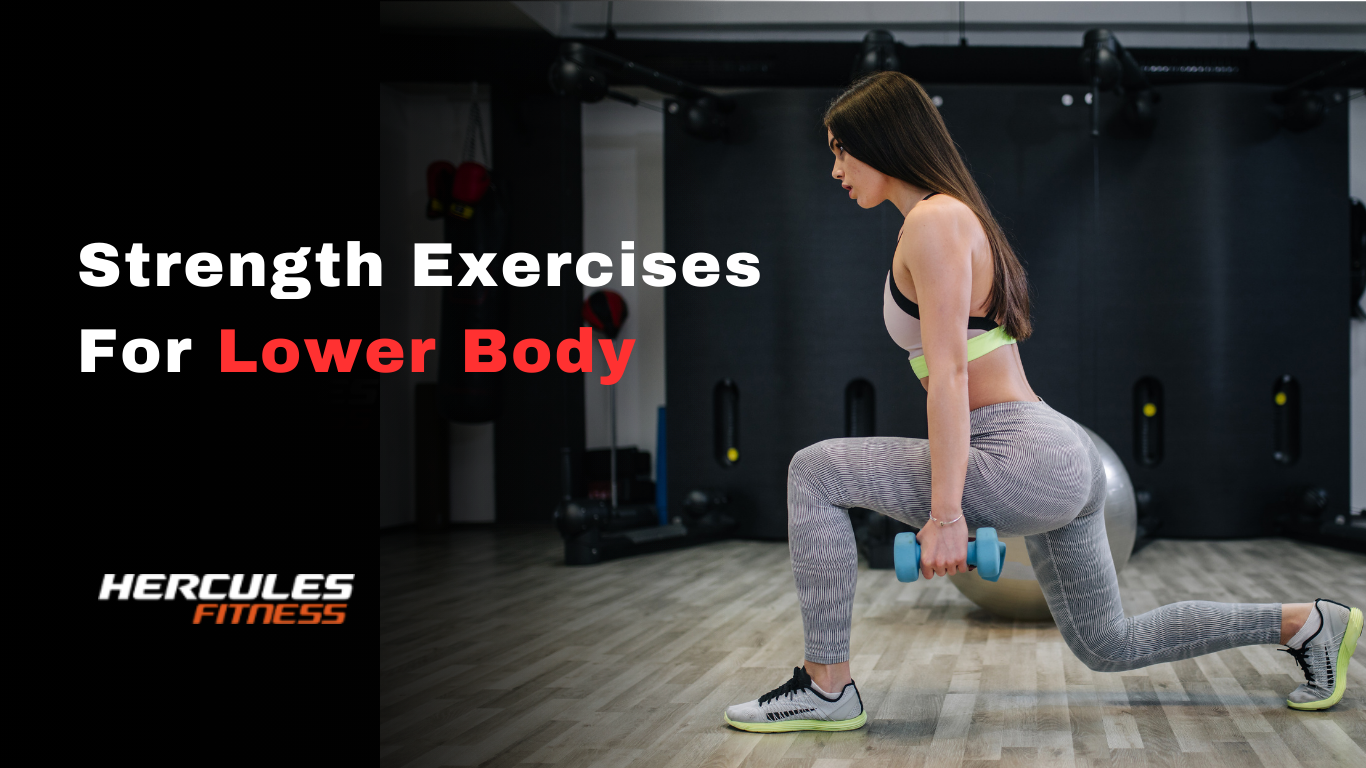
When it comes to building powerful legs, two pieces of gym equipment are often the center of debate: the hack squat and the leg press. While both are fantastic tools for developing lower body strength, they are not the same. It’s easy to get confused about which machine to choose, especially when you consider other essential home gym equipment like a Smith machine or a workout bench.
So, how do you decide which one is right for your goals? In this guide, we’ll break down the key differences between the hack squat and the leg press. You’ll learn the unique benefits of each and how they can help you achieve maximum gains, whether you’re at a professional facility or using the best home gym equipment available.
Gym Equipment: Hack Squat vs. Leg Press for Lower Body Strength
When it comes to building powerful legs, two pieces of gym equipment are often the center of debate: the hack squat and the leg press. While both are fantastic tools for developing lower body strength, they are not the same. It’s easy to get confused about which machine to choose, especially when you consider other essential home gym equipment like a Smith machine or a workout bench.
So, how do you decide which one is right for your goals? In this guide, we’ll break down the key differences between the hack squat and the leg press. You’ll learn the unique benefits of each and how they can help you achieve maximum gains, whether you’re at a professional facility or using the best home gym equipment available.
Hack Squat vs. Leg Press: The Core Differences
At first glance, these machines might seem similar. After all, they both involve pushing weight with your legs. However, the movement and the muscles they target most are quite different.
1) Hack Squat: The Quadriceps Powerhouse
A hack squat is a compound exercise that mimics a traditional squat, but with your body’s movement on a fixed path. You stand on a platform with your back against a padded sled. This position allows you to directly load your quads, making the hack squat an excellent choice for isolating those muscles. Because the movement is controlled, it reduces spinal compression, which can be a huge benefit for lifters who want to push their legs without straining their back.

2) Leg Press: The Low-Impact Strength Builder
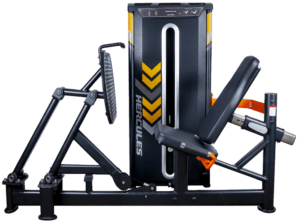
The leg press is a different experience entirely. You sit in a padded seat and push a weighted platform away from you. The seated position completely supports your back and spine, making it a very safe option. This is why you’ll find the leg press in nearly every commercial gym equipment lineup. It’s a fantastic exercise for beginners and for anyone who wants to lift heavy without putting stress on their back or knees.
Making the Right Choice for Your Goals
Both machines are effective strength equipment for building muscle and power. However, your specific training goals should guide your choice.
- For pure muscle size: If your primary goal is to build huge, defined quadriceps, the hack squat’s fixed path allows for a deeper stretch and more focused tension, making it a top choice.
- For high-volume training: The leg press is perfect for performing high-repetition sets to failure. Its low-impact nature means you can push your muscles to their limit without worrying about your form breaking down.
- For athletes: The hack squat’s motion is a closer parallel to free-weight squats, which is beneficial for powerlifters and other athletes looking to increase their raw squat strength.
- For safety and rehabilitation: The leg press’s fully supported position makes it a safer option for those with pre-existing back issues or for rehabilitation purposes.
You can also use a combination of both exercises for a comprehensive workout. This ensures you get the intense quad focus of the hack squat and the controlled, high-volume benefits of the leg press.
Beyond the Machines: Essential Strength Equipment
A great leg workout isn’t just about two machines. A well-rounded routine uses a variety of strength equipment to hit every muscle. Consider adding exercises with dumbbells for lunges or use a workout bench for Bulgarian split squats. A Smith machine is another versatile option that can be used for squats, lunges, and calf raises.
For a complete fitness routine, you should also include cardio. Incorporating cardio machines like a rowing machine or an elliptical into your weekly routine can improve your endurance and aid in muscle recovery. Similarly, an exercise bike is a low-impact way to get your heart rate up.
Comparing Hack Squat and Leg Press
| Feature | Hack Squat | Leg Press |
| Movement Pattern | Squat-like, fixed path | Pushing movement, seated |
| Muscle Focus | Quadriceps, Glutes, Hamstrings | Quadriceps, Glutes, Hamstrings |
| Joint Impact | Moderate | Lower |
| Difficulty Level | Higher due to stabilization | Easier due to machine support |
| Versatility | Limited variations | Multiple foot positions |
Why You Should Do Both for Maximum Gains
The combination of both hack squats and leg press ensures balanced development of the lower body. Hack squat improves quadriceps development and strength transfer to free-weight squats, whereas leg press offers a safer alternative for high-volume muscle growth.
Final Thoughts: Which Exercise Wins?
Both are different exercises that create strength in the lower body. Choose the hack squat to target maximum quad activation and strength training. If you like controlled movement with less stress on the spine, the leg press is for you. Putting both in your leg workout will give you overall muscle development with hamstring activation and glute engagement.
Get ready to take your fitness routine to the next level! Try these exercises and maximize your lower body gains!
FAQ’s
1. What are the best machines or equipment for lower body strength?
The most effective tools include squats (barbells + power rack), leg press machines, hamstring curl machines, and glute bridges with dumbbells or kettlebells. For beginners, adjustable benches and lighter free weights also work well to build foundational strength without risk.
2. How do I choose lower-body equipment if I have limited space?
Prioritize compact, multi-purpose gear. For example, an adjustable bench + dumbbells + resistance bands can cover many exercises. A leg press that folds or a compact rack helps. Also, look for equipment that can be used for more than one lower-body movement.
3. What features matter most when buying treadmills, ellipticals, or machines for lower-body cardio?
Key features are incline range (for treadmills), stride length (for ellipticals), cushioning or shock absorption (for running or walking machines), durable motors or resistance systems, and ease of maintenance. These ensure that lower-body joints like knees and ankles are protected.
4. How heavy should free weights be for lower-body training essentials?
Start lighter and progress. For many beginners, starting with 5-10 kg dumbbells or sets that go up in small increments helps. For leg workouts (squats, lunges, deadlifts), you’ll need heavier loads over time—so choose equipment (dumbbells/barbells/power rack) that can handle progressive overload safely.
5. How often do I need maintenance for lower-body machines (leg press, sled, squat rack etc.)?
Basic cleaning and inspections daily; check bolts, cables, lubrication once a month; a more thorough check (alignment, resistance mechanisms) quarterly. Keep upholstery, pads, and surfaces clean & replaced when worn to avoid injuries.
6. Are machine-based leg exercises safer than free weights for beginners?
Machine exercises (leg press, hack squat, sleds) provide guided motion and often reduce risk of poor form. But free weight moves are crucial too—for stabilizer muscles and functional strength. Best approach: combine both, starting with machines to build confidence, then gradually introduce free weights.
7. Which lower-body exercises or equipment are best for muscle growth/hypertrophy?
Exercises like barbell squats, Romanian deadlifts, leg presses, hip thrusts, and split squats are excellent. Equipment that supports varied rep ranges, progressive overload, and a full range of motion will help – a good power rack, plates, a bench, a barbell, and heavy dumbbells are key.
8. Where can I buy durable lower-body gym equipment in Bangalore / Karnataka?
Look for suppliers who offer commercial-grade machines with a solid warranty and comprehensiveafter-sales support. Local showrooms let you test, feel, and build quality. Hercules Fitness is one such provider. Also check online forums / Reddit threads for reviews of specific brands for durability and local service.

