
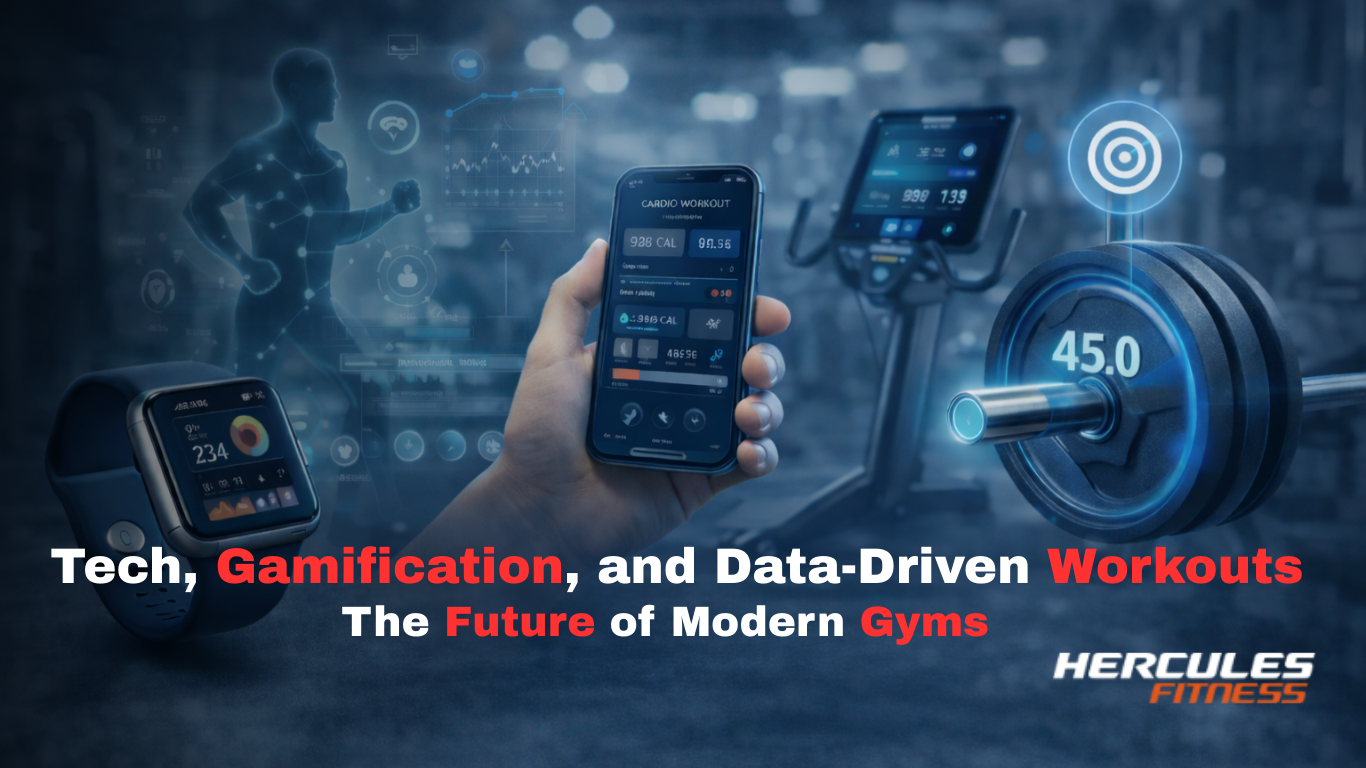
The fitness industry is undergoing a major transformation. Traditional gyms are evolving into smart fitness hubs powered by technology, gamification, and data-driven workouts. Today’s gym members want more than just access to equipment—they want personalized experiences, measurable results, and engaging workouts that keep them motivated.
By integrating fitness technology, game-based elements, and performance data, modern gyms are redefining how people train, recover, and stay consistent. This shift is not only improving user experience but also helping gyms increase member retention and operational efficiency.
The Role of Technology in Modern Fitness Center’s
Technology has become a cornerstone of the modern gym experience. Smart gym equipment, wearable fitness devices, and mobile fitness apps are now standard features in many facilities.
Wearables such as smartwatches and fitness bands track key metrics like heart rate, calories burned, sleep quality, and recovery levels. Smart machines automatically log repetitions, resistance, and workout duration, syncing this data with apps in real time.
For gym owners, fitness technology provides valuable insights into member behaviour. Data on peak usage hours, popular workouts, and attendance patterns helps gyms optimize space, improve class scheduling, and enhance customer satisfaction.
From a user perspective, technology removes guesswork and replaces it with clarity. Members can see exactly how their workouts are impacting their progress, making fitness more transparent and goal oriented.
Gamification in Gyms: Turning Workouts into Experiences
One of the biggest challenges in fitness is maintaining consistency. Gamification in gyms addresses this problem by making workouts engaging, competitive, and fun.
Gamification applies game mechanics such as points, badges, challenges, leader boards, and rewards to fitness routines. Instead of focusing only on physical effort, users are motivated by achievements and milestones.
For example, members may earn points for completing workouts, maintaining weekly streaks, or beating personal records. Leader boards encourage friendly competition, while group challenges build a sense of community inside the gym.
This approach leverages basic human psychology. When workouts feel rewarding and interactive, motivation increases and dropouts decrease. Gamified fitness experiences are especially effective for beginners and younger members who value engagement as much as results.
Data-Driven Workouts: Smarter Training, Better Results
Data-driven workouts are changing how people train. Rather than following generic routines, members now benefit from personalized fitness programs based on real performance data.
Using data collected from wearables and smart equipment, workouts can be tailored to individual goals such as fat loss, muscle gain, or endurance improvement. Metrics like heart rate zones, recovery scores, and workout intensity help optimize training efficiency.
Data also plays a crucial role in injury prevention. If fatigue or poor recovery is detected, workout intensity can be adjusted automatically. This ensures safer training while maximizing long-term progress.
For personal trainers, data-driven fitness provides measurable proof of results. Trainers can track improvements objectively, refine programs intelligently, and offer higher-value coaching services.
The Power of Combining Tech, Gamification, and Data
The true potential of modern gyms lies in combining technology, gamification, and data-driven workouts into a seamless fitness ecosystem.
Imagine entering a gym where your wearable syncs instantly with equipment, assigns a personalized workout, tracks every rep, and turns your session into a challenge. You earn rewards for consistency, monitor progress through visual dashboards, and compete with friends—all while following a scientifically optimized program.
This integrated approach improves both engagement and outcomes. Members stay motivated emotionally while achieving real, measurable fitness results physically.
Why This Matters for the Fitness Industry?
Gyms that adopt smart fitness technology gain a significant competitive advantage. Member retention improves, trainer effectiveness increases, and overall gym performance becomes more efficient.
As fitness technology becomes more affordable, even small and mid-sized gyms can implement data-driven systems and gamified experiences. Future gyms are likely to include AI-powered coaching, virtual training environments, and advanced personalization tools.
Conclusion
Technology, gamification, and data-driven workouts are no longer optional—they represent the future of the fitness industry. Together, they transform gyms into intelligent, engaging, and results-focused environments.
By training smarter instead of just harder, gym members achieve better outcomes, while gym owners build sustainable, future-ready businesses. The modern gym is not just a place to work out—it’s a data-powered fitness experience designed for long-term success.
FAQs
1. What is a data-driven workout in a gym?
A data-driven workout uses real-time and historical fitness data to design personalized training programs. This data may include heart rate, calories burned, workout intensity, recovery levels, and performance trends collected from wearables or smart gym equipment. The goal is to improve results while reducing the risk of overtraining or injury.
2. How does technology improve the gym experience?
Technology enhances the gym experience by offering personalized workouts, progress tracking, and real-time feedback. Smart equipment, fitness apps, and wearable devices help users understand their performance better, stay motivated, and train more efficiently. For gyms, technology also improves member engagement and operational efficiency.
3. What is gamification in fitness and gyms?
Gamification in gyms involves applying game elements such as points, challenges, badges, leaderboards, and rewards to workouts. This approach makes exercise more engaging and enjoyable, helping members stay consistent and motivated while creating a sense of achievement and competition.
4. Are gamified workouts effective for beginners?
Yes, gamified workouts are highly effective for beginners. They reduce intimidation, make workouts more enjoyable, and encourage consistency through rewards and progress tracking. Gamification helps beginners build habits by focusing on participation and improvement rather than just physical performance.
5. Can data-driven workouts help prevent injuries?
Data-driven workouts can significantly reduce injury risk by monitoring fatigue, recovery, and movement patterns. When the data shows signs of overtraining or stress, workout intensity can be adjusted accordingly. This allows for safer training and long-term fitness progress.
6. Do gyms need expensive equipment to adopt fitness technology?
Not necessarily. Many gyms start with affordable fitness apps, basic wearables, or software platforms that track workouts and attendance. As technology becomes more accessible, even small gyms can implement data-driven and gamified fitness solutions without major investment.
7. How do smart gyms use member data responsibly?
Smart gyms use member data to improve workout personalization, scheduling, and overall experience while following data privacy and security standards. Responsible gyms ensure data is stored securely, used transparently, and shared only with user consent.
8. Is the future of gyms fully technology-based?
While technology will play a major role, the future of gyms is a balance between human coaching and smart systems. Technology enhances training accuracy and engagement, but personal trainers, community support, and human interaction will remain essential to the gym experience.

