
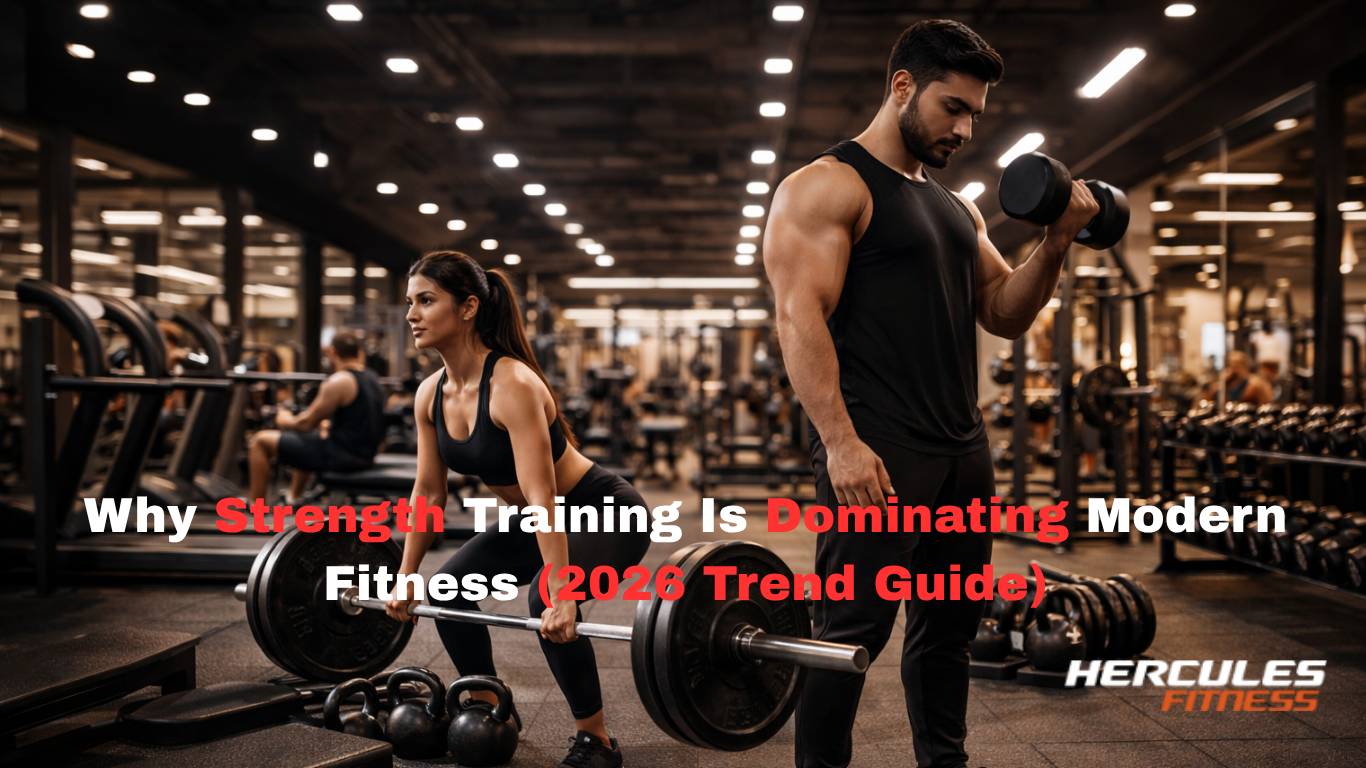
The fitness industry is evolving rapidly, and one trend is clearly leading the way—strength training. Once considered a niche practice reserved for bodybuilders and athletes, it has now become the foundation of modern fitness routines.
Today, more people are lifting weights than ever before, and gyms are redesigning their spaces to accommodate this shift. But what’s driving this change? And why is strength training becoming so popular?
Let’s explore.
The Shift from Cardio to Strength Training
For decades, cardio workouts such as running, cycling, and aerobics dominated the fitness landscape. People believed that the key to fat loss and overall health was simply burning calories.
However, recent research and real-world results have changed this perspective.
Fitness enthusiasts and experts now understand that strength training offers long-term benefits that go beyond calorie burn. Instead of focusing only on losing weight, people are now prioritizing:
- Building lean muscle
- Improving metabolism
- Enhancing overall strength and endurance
This shift has made strength training a central part of fitness routines worldwide.
Why More People Are Lifting Weights?
One of the most significant aspects of this trend is the growing diversity of people embracing weight training.
It’s no longer limited to professional athletes or bodybuilders. Today, you’ll find:
- Beginners starting their fitness journey
- Working professionals managing busy schedules
- Women focusing on strength and toning
- Older adults are striving to preserve their mobility and independence.
This widespread adoption is driven by awareness. People are realizing that lifting weights is not just about appearance—it’s about functional fitness and long-term health.
Strength training helps individuals perform everyday tasks more easily, from lifting groceries to maintaining proper posture during long work hours.
Gyms Are Adapting to the Trend
If you step into a modern gym, you’ll immediately notice the change in layout.
Traditional gyms were filled with rows of treadmills and stationary bikes. While these machines still exist, they are no longer the main attraction.
Instead, gyms are investing more in:
- Free weights such as dumbbells and barbells
- Squat racks and bench press stations
- Functional training zones
- Resistance-based machines
These changes reflect user demand. Strength training areas are often the most crowded sections in a gym, especially during peak hours.
This transformation highlights a major industry shift—people are choosing strength over endless cardio sessions.
The Science Behind Strength Training:
The growing popularity of strength training is backed by solid science.
When you engage in resistance training, your body builds lean muscle mass. This has several important benefits:
- Increased resting metabolic rate
- Improved fat-burning efficiency
- Better bone density and joint health
- Enhanced insulin sensitivity
Unlike cardio, which primarily burns calories during the activity, strength training continues to benefit your body even after the workout is over.
This makes it a more efficient and sustainable approach to fitness.
Strength Training for Fat Loss
A common misconception is that lifting weights leads to bulky muscles. In reality, this is rarely the case for most individuals.
Strength training actually supports fat loss by:
- Preserving muscle while reducing body fat
- Improving body composition
- Creating a lean and toned physique
Instead of just losing weight, people achieve a more balanced and athletic look.
This is one of the key reasons why strength training is becoming the preferred method for those aiming to transform their bodies.
Time Efficiency and Practical Benefits:
Modern lifestyles are busy, and not everyone can spend hours at the gym.
Strength training offers a practical solution.
A well-structured workout can:
- Be completed in 30 to 60 minutes
- Target multiple muscle groups
- Deliver long-lasting results
Compared with long cardio sessions, strength training delivers better returns on time invested.
This efficiency is especially appealing to working professionals and individuals with limited free time.
Training for Longevity, Not Just Looks.
Perhaps the most important reason behind this trend is a shift in mindset.
People are no longer training for aesthetics. Instead, they are focusing on:
- Longevity
- Mobility
- Injury prevention
- Overall quality of life
Strength training plays a crucial role in maintaining physical independence as we age. It helps preserve muscle mass, improve balance, and reduce the risk of injuries.
In simple terms, it prepares the body not just for today, but for the future.
Conclusion
The dominance of strength training is not just a passing trend—it represents a fundamental change in how people approach fitness.
With more individuals lifting weights and gyms prioritizing strength equipment over cardio machines, it’s clear that the industry is moving in a new direction.
Strength training offers a powerful combination of benefits: improved health, better body composition, increased efficiency, and long-term sustainability.
If you’re looking to build a stronger, healthier, and more resilient body, there’s never been a better time to embrace this approach.
Strength training isn’t just part of fitness anymore—it is the foundation of it.
Frequently Asked Questions (FAQs)
1. Why is strength training becoming more popular than cardio?
Strength training is gaining popularity because it helps build muscle, boost metabolism, and support long-term fat loss, unlike cardio, which mainly burns calories during the workout.
2. Is strength training suitable for beginners?
Yes, strength training is ideal for beginners. Starting with basic exercises and light weights can help build a strong foundation safely and effectively.
3. Will lifting weights make me bulky?
No, most people do not become bulky from strength training. Instead, it helps create a lean, toned physique by reducing body fat and preserving muscle.
4. How often should I do strength training?
For best results, 3–4 sessions per week are recommended, allowing enough time for recovery between workouts.
5. Why are gyms focusing more on strength equipment?
Gyms are adapting to demand, as more people prefer weight training for its efficiency and long-term health benefits over traditional cardio workouts.
6. Can strength training help with fat loss?
Yes, it helps increase muscle mass, which boosts metabolism and allows your body to burn more calories even at rest.
7. Do I still need cardio if I do strength training?
Cardio is still beneficial for heart health, but it can be combined with strength training rather than being the main focus.
8. How long should a strength training workout be?
A typical strength training session lasts between 30 and 60 minutes, making it effective and time-efficient for most people.

